Rome Underground ToursAn Independent Guide Check Dates

Rome Underground Tours

Four of Rome's catacombs close on a different weekday each, and Nero's Golden House opens only at weekends. The day you pick decides which underground you get — so the Rome underground tours below are compared against the calendar first, then on what they enter.

Updated September 2026

  • 15 listings checked September 2026
  • Official hours and ticket prices from each site
  • Free cancellation on most tours
Quick answer The short version: what to book, and the weekday trap that ruins underground days

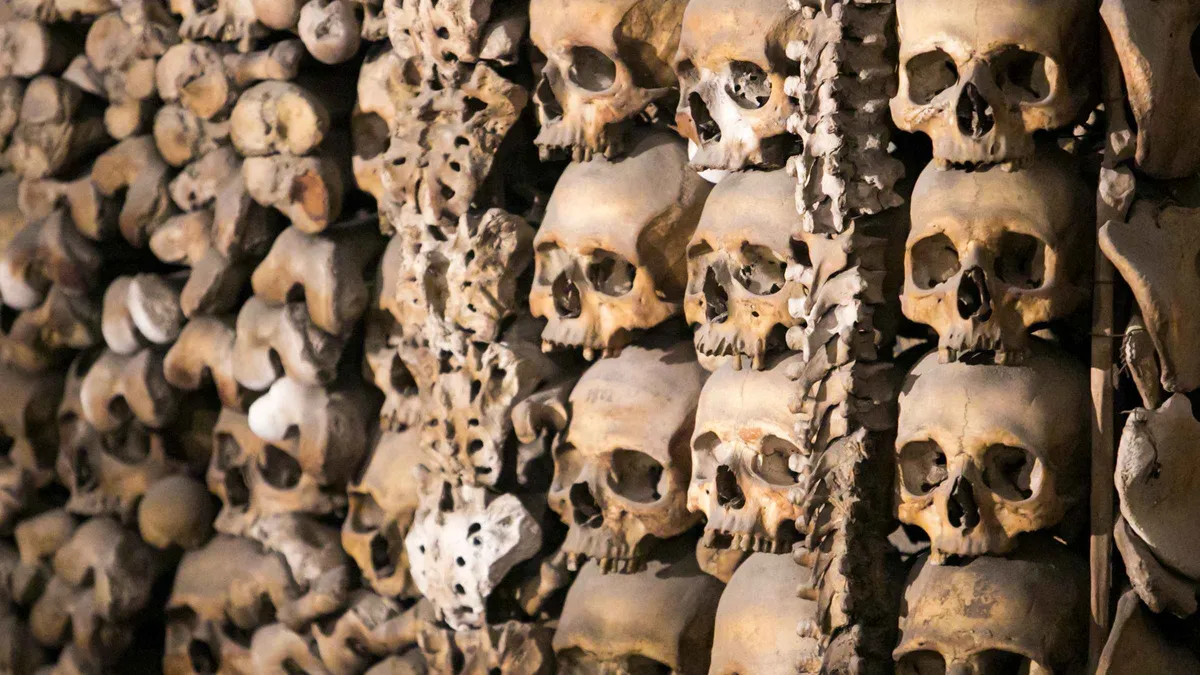
Rome has more than sixty catacombs and only a handful you can walk into. The tours on this page enter five of them plus the Colosseum hypogeum, Nero's Domus Aurea, the crypt under San Clemente, the bone chapels on Via Veneto and the aqueduct rooms behind the Trevi Fountain. The thing nobody tells you first: these sites close on different weekdays, so a Monday underground day and a Wednesday one are not the same trip. Every catacomb is guided-only — there is no walking in alone — and no city pass covers any of it.

Key takeaways

Rome Underground Tours, by What They Enter

Fifteen listings, grouped by the site they take you into rather than by price. Every price, rating and review count here is the operator's own figure on its listing, checked on 5 September 2026; booking, payment and cancellation happen on the operator's side, not here.

Catacombs of St. Callixtus: Entry Ticket & Guided Tour

★★★★★ ★★★★★ 4.6(3,689 reviews)· 30 minutes

The Vatican's own pilgrimage operator sells the official St. Callixtus ticket, near the €10 door price. Guided visits leave every thirty minutes and run about forty, taking in the Crypt of the Popes. The guides work in Italian, German and French — not English.

Cancellation
Free cancellation up to 24 h
Operator
OPERA ROMANA PELLEGRINAGGI
Independent comparison, not an operator
Listings checked 5 September 2026
Hours and ticket prices taken from each site's official page
Traveller feedback reviewed: 25,000+ reviews

Which Underground Each Tour Actually Enters

The column that decides most bookings is the last one. A tour can be titled "underground" and never leave street level — and two listings at very different prices can walk the same corridor. Ratings are the operator's own figures on GetYourGuide, read on 5 September 2026.

Tour From Goes into Guide language Rating Book
St. Callixtus official ticket $16 Catacombs of St. Callixtus Italian, German, French 4.59 (3,689) Check Availability Details
Catacombs skip-the-line $56 One Appian Way catacomb English 4.93 (946) Check Availability Details
Capuchin Crypts + catacombs $69 Bone crypt and a catacomb English 4.65 (7,284) Check Availability Details
After-hours crypts $74 Crypt and catacomb, after closing English 4.69 (190) Check Availability Details
Capuchin Crypt ticket $25 Bone crypt and museum only English 4.42 (455) Check Availability Details
Colosseum 3-in-1 $93 Hypogeum OR arena, plus Forum English 4.67 (1,261) Check Availability Details
Domus Aurea with VR $81 Nero's Golden House Italian, French, English, Spanish 4.68 (261) Check Availability Details
Trevi underground express $41 Aqueduct rooms under Trevi Six languages 4.33 (2,046) Check Availability Details
St. Peter's underground $38 Vatican grottoes and dome Seven languages 4.76 (5,759) Check Availability Details

Most tours on this page cancel free up to 24 hours before the start time; the two exclusive Colosseum tours do not.

Nine of the fifteen are listed here — the rest are variants of these routes at different group sizes. Every row links to the full card above.

Live Availability and Prices

The Capuchin Crypts and catacombs tour is the most-booked underground route in Rome, with over seven thousand reviews. Dates and live pricing come straight from the operator.

Powered by GetYourGuide

Every Underground Site in Rome You Can Actually Enter

Rome's underground is not one attraction with one opening time. It is a dozen separately run sites — some Vatican, some state, some parish, some private — and they do not coordinate their closing days. This table is the reason this page exists: not one of the pages currently ranking for Rome underground tours prints it.

The closing-day table

Hours and prices below were read from each site's own official page on 5 September 2026. Where a site is run by the Pontifical Commission for Sacred Archaeology, the ticket price is set commission-wide, which is why four different catacombs charge exactly the same.

  • Monday is the worst day: San Sebastiano, Priscilla and Vicus Caprarius all shut
  • Tuesday takes out Domitilla; Wednesday takes out St. Callixtus
  • Only the Capuchin Crypt and San Clemente open seven days a week
  • The Domus Aurea is the mirror image — open on the two days most guided day tours do not run
SiteClosedHoursFull ticketBooking
Catacombs of St. CallixtusWednesday09:00–12:00, 14:00–17:00€10Walk-in fine; tours every 30 min
Catacombs of San SebastianoMonday09:15–17:15, last entry 16:45€10Recommended
Catacombs of PriscillaMonday09:30–13:00, 14:00–17:00€10Guided-only
Catacombs of DomitillaTuesday09:00–12:00, 14:00–17:00€10 + €2 bookingPhone or online
Vicus Caprarius (Trevi)Monday11:00–17:00€4Obligatory at weekends
San Clemente excavationsNone09:00–12:30, 14:00–18:00; Sunday from 12:00€10Online booking obligatory
Capuchin Crypt and MuseumNone09:30–13:30, 14:30–18:30€10Online adds €1.50
Domus AureaMonday to Friday09:15–16:15, weekends only€18Obligatory, CoopCulture

What the tours can and cannot fix

A booked tour does not override a closing day. What it does buy you is the routing: an operator running the Appian Way on a Wednesday sends you to San Sebastiano instead of St. Callixtus, and the Capuchin Crypts and catacombs tour is built around the one crypt that never closes. If you are planning independently, the fastest sanity check is to pick the site first and the day second, not the other way round.

One more thing the listings will not tell you: the Colosseum's underground level is occasionally closed at short notice for works or weather, and the tour still runs above ground. A traveller reviewing the exclusive arena tour on 1 September 2026 rated it five stars and noted the underground portion had been cancelled that day. Ask the operator what happens to the price if the hypogeum is shut before you book the expensive version.

Sites without a tour on this page

Several worthwhile undergrounds are not on any bookable listing, either because they are free, run by a parish, or admit only tiny groups. They are worth a morning if you are staying long enough.

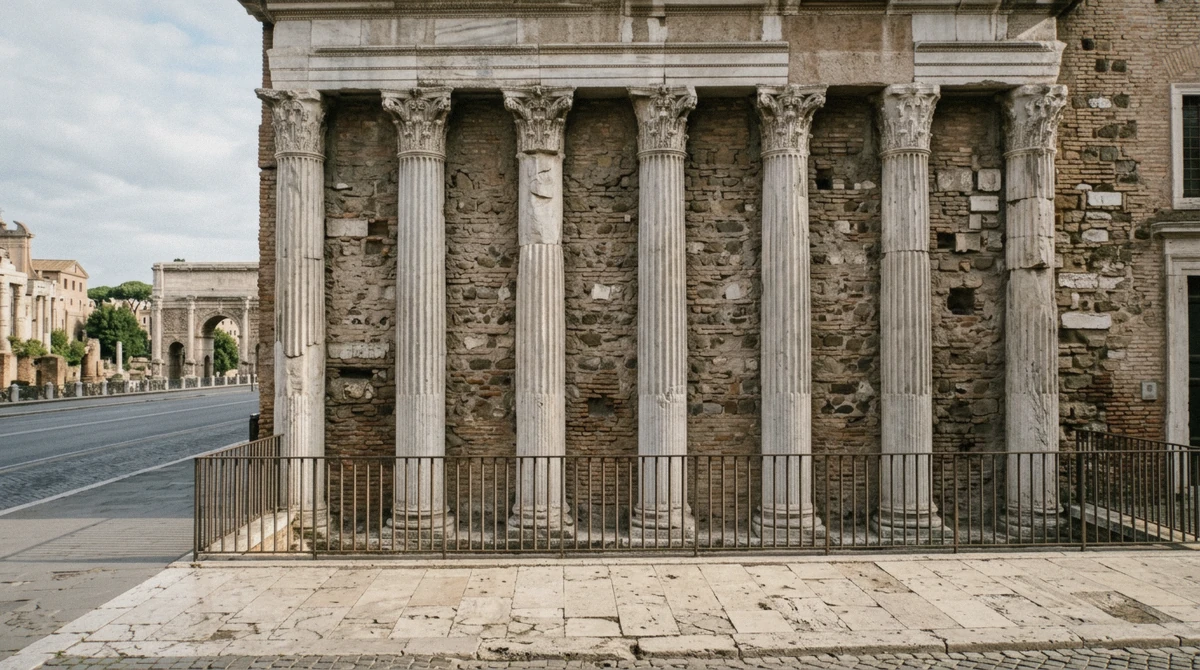
  • San Nicola in Carcere — a church built into three Republican-era temples whose bases sit below the floor
  • Santa Cecilia in Trastevere — a crypt reached down a narrow staircase, paid for at the gift shop
  • Case Romane del Celio — around twenty rooms of Roman houses under Santi Giovanni e Paolo
  • Mamertine Prison — the holding cell prisoners were dropped into through a hole in the floor
  • San Crisogono and San Martino ai Monti — early-Christian levels under later churches
  • Stadium of Domitian — the arena Piazza Navona was built on top of; the École Française section is private access only

Underground Rome, Mapped

Fourteen sites, split by what they are. The Appian Way cluster in the south is a bus ride from the centre; everything else sits inside a half-hour walk of the Colosseum or the Trevi Fountain. Coordinates from OpenStreetMap.

Catacombs (Pontifical Commission, guided-only)
Imperial Rome below ground
Church levels and crypts
Water and engineering

Opening days and prices as published by each site on 5 September 2026. The Appian Way catacombs are 15 to 20 minutes apart on foot along Via Appia Antica.

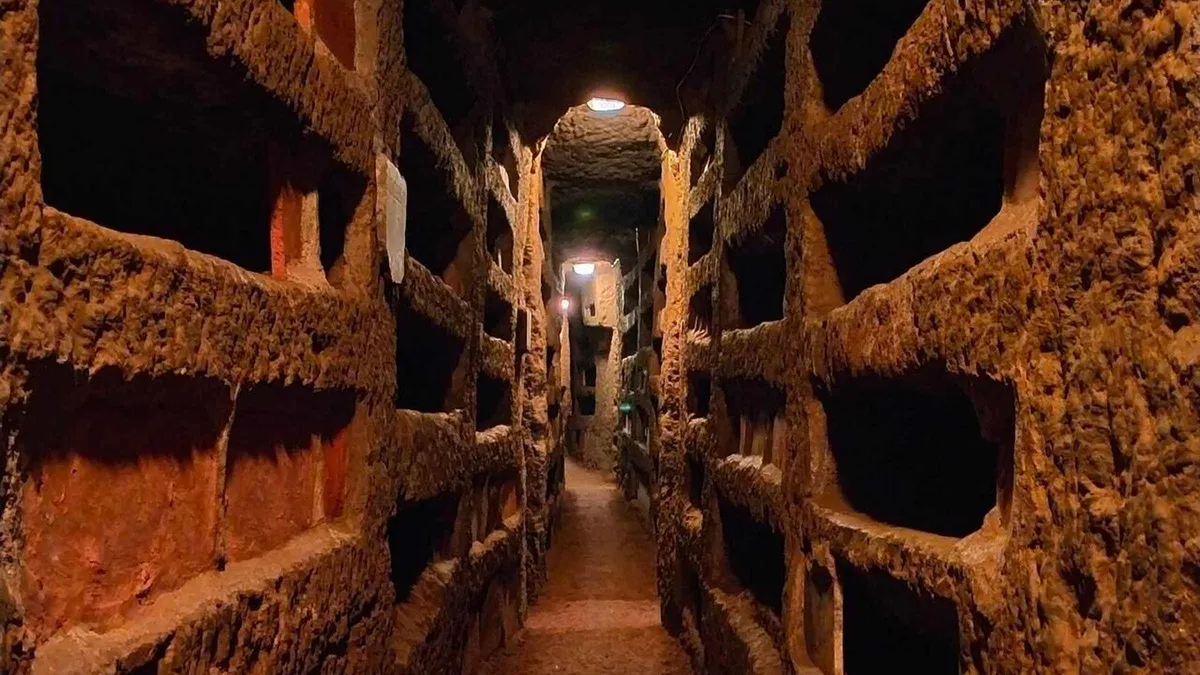
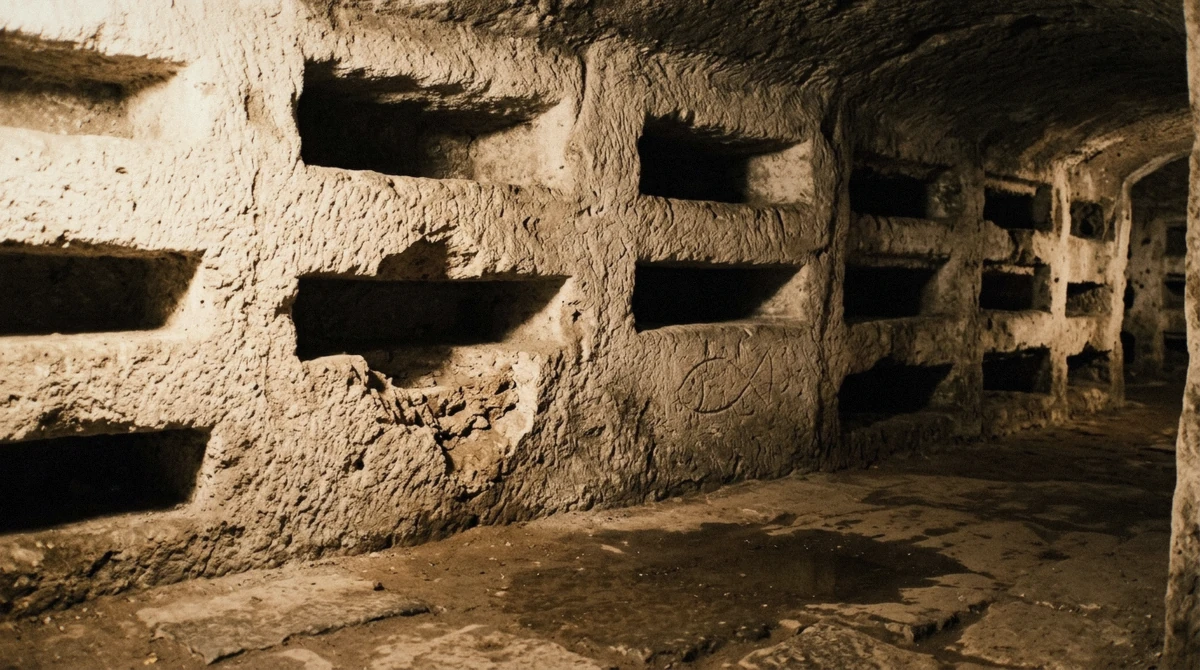
Empty burial niches cut in rows into pale tufa on a Rome underground tour of the Appian Way catacombs
Loculi cut into tufa on the Appian Way. Photography is not permitted inside the catacombs themselves.

Why Ancient Rome Is Underground at All

Two questions run underneath every search for Rome's underground: why the ancient city sits below the modern one, and how much of it is still down there. Neither is mysterious once you know what happened to the ground level.

The city rose, it did not sink

Rome's ancient street level lies roughly nine to fifteen metres below today's pavement in the centre, and nothing sank to put it there. The ground came up. Three processes did it, over centuries.

The Tiber flooded, repeatedly and catastrophically, and each flood left silt that nobody cleared. Buildings burned or fell and were not carted away — Roman construction used the rubble as fill and built the next thing on top, which was cheaper than excavating and gave a dry foundation above the flood line. And the city simply kept discarding into itself: the ruins of a collapsing empire became hardcore for the medieval town that followed.

So the Colosseum sits in a hollow because the ground around it rose, not because the arena sank. San Clemente's Mithraeum is sixty feet down because four builds were stacked on top of it, each one levelling the last.

How much is still down there

Nobody can give an honest number, and any page that does is guessing. What is measurable is the catacomb network: more than sixty catacombs are known around Rome, of which the public may enter seven, and the largest of them, Domitilla, holds something in the order of twenty kilometres of tunnels on its own. Priscilla has over thirteen kilometres of galleries across two levels.

Above that layer lies everything else — houses, streets, warehouses, aqueduct channels, drains, temple podia — most of it under private buildings, most of it never excavated, some of it found only when a cinema is refitted or a metro line is dug. Vicus Caprarius exists as a visitable site because someone renovated the Cinema Trevi and hit an imperial house. Rome's Metro C line has spent years being rerouted around what it keeps finding.

Which layer each site shows you

It helps to know what era you are descending into, because the sites are not variations on one theme.

  • Republican and early Imperial — San Nicola in Carcere's temple bases, the Mamertine cell
  • Imperial houses and infrastructure — Vicus Caprarius, Case Romane del Celio, the Aqua Virgo
  • Nero's Rome, 64 to 68 AD — the Domus Aurea, buried deliberately by Trajan's builders
  • The Flavian arena, 80 AD — the Colosseum hypogeum
  • Christian burial, 2nd to 5th century — every catacomb on the Appian Way and Via Salaria
  • The stacked church, 4th to 12th century — San Clemente, San Crisogono, Santa Cecilia

The Catacombs: One Tariff, Four Closing Days

More than sixty catacombs run under Rome and its outskirts. Seven admit the public. The ones the tours compared here reach sit on or near the Appian Way in the south, plus Priscilla out on Via Salaria to the north.

€10 everywhere, and why

St. Callixtus, San Sebastiano, Priscilla and Domitilla all charge €10 full and €7 reduced. That is not a coincidence and not competition — the four are administered by the Pontifical Commission for Sacred Archaeology, which sets one tariff across its sites. Reduced covers ages 7 to 16, school groups, students of archaeology, architecture or art history under 25 with certification, and clergy and religious with certification. Children under six enter free, as do disabled visitors above 74 percent with one carer, one teacher for every fifteen paying students, and licensed tourist guides.

Every catacomb is guided-only. There is no self-guided route, no audio-guide walk-in, no wandering. St. Callixtus starts tours every thirty minutes and each runs about forty minutes; the others group visitors as they arrive.

The language trap in the cheap ticket

The cheapest way into a catacomb on this page is the official St. Callixtus ticket at $16 — sold by Opera Romana Pellegrinaggi, the Vatican's own pilgrimage operator, which is roughly the door price of €10 plus the booking layer. It is genuinely good value and it carries 3,689 reviews at 4.59.

What the listing prints, and what most write-ups skip, is the guide language: Italian, German and French. English is not among them. If you want to be walked through the Crypt of the Popes in English, the English-language catacombs tour at $56 exists precisely for that, and its 4.93 rating across 946 reviews is the highest of any underground tour compared here. Paying $40 more for a language is a real decision — just make it knowingly.

Which catacomb the tours actually visit

Listings are often vague, saying "the catacombs" rather than naming one, because operators reroute around closing days and group sizes. In practice: St. Callixtus is the biggest draw and holds the Crypt of the Popes; San Sebastiano keeps its own basilica above and was where the relics of Peter and Paul were reportedly sheltered; Domitilla is the oldest and largest, with about twenty kilometres of tunnels and the only semi-underground basilica in Rome; Priscilla, out on Via Salaria, has more than thirteen kilometres of galleries on two levels and gets a fraction of the crowds — visitors regularly report having a guide to themselves there.

If a specific catacomb matters to you, message the operator before booking. If it does not, the reroute is a feature: it means your tour runs on the day you picked.

Getting out there

The Appian Way catacombs are not walkable from the centre. Bus 118 from Colosseo or Circo Massimo stops at San Sebastiano; bus 660 from the Arco di Travertino metro stop does the same; bus 218 from San Giovanni drops you at Fosse Ardeatine, 300 metres away on Vicolo delle Sette Chiese. Most tours on this page fold the transfer into the price, which is a large part of what you are paying for — the Capuchin Crypts tour and the catacombs and crypt tour both include transfers.

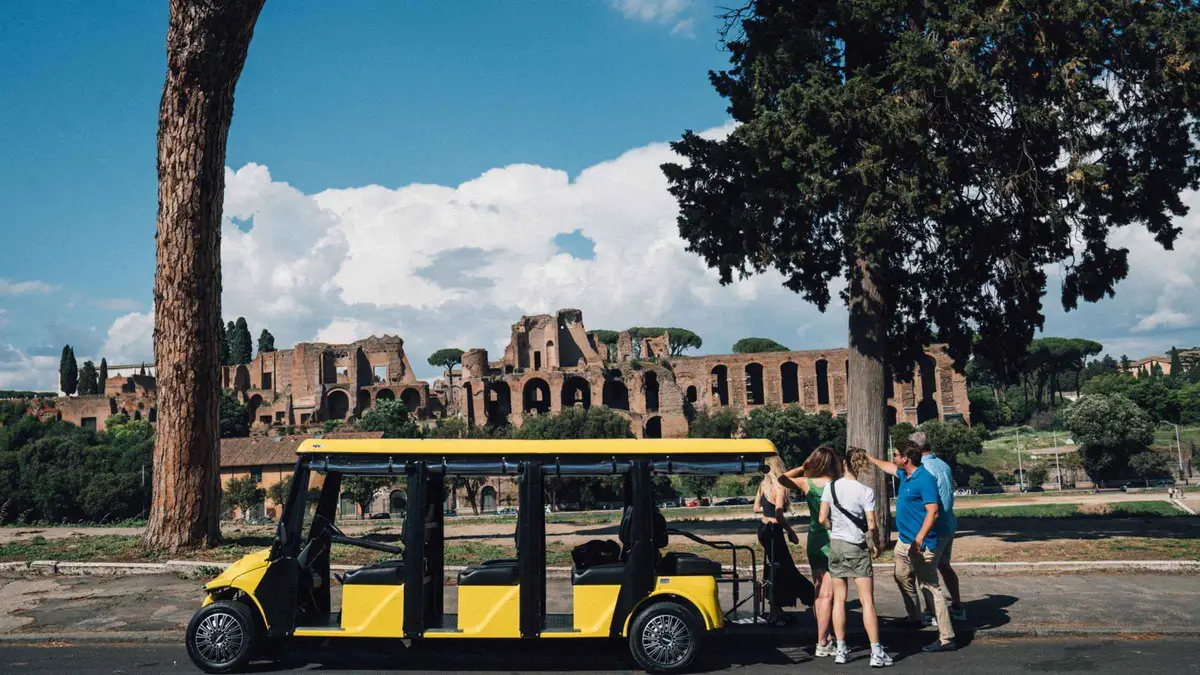
The alternative is to make the journey the point. The Appian Way golf cart tour drives the ancient road itself with catacomb entry included, and at 4.91 across 649 reviews it is the highest-rated way to combine the two.

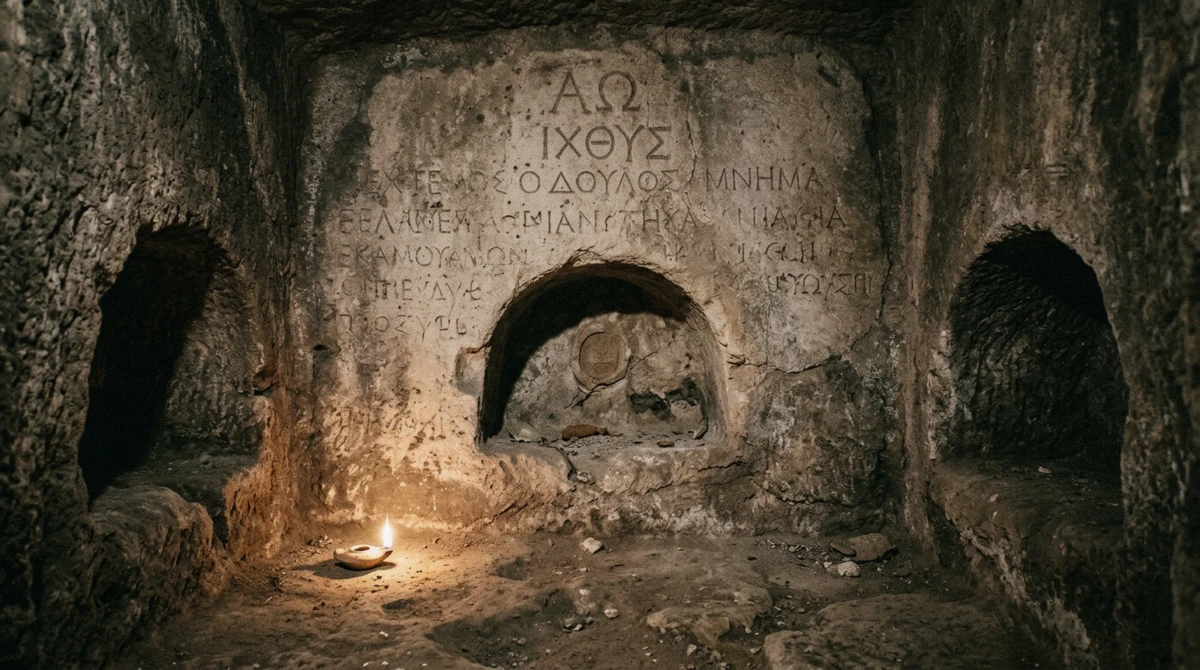
Carved wall panels with worn Greek lettering in a catacomb burial chamber on a Rome underground tour
The Crypt of the Popes at St. Callixtus still carries its original Greek inscriptions.

The Appian Way Is Half the Point

Four of the catacomb tours on this page go to the same place: a stretch of Roman road eight kilometres south of the centre, where the tombs were legal to build because burial inside the city walls was not.

Why the catacombs are all out there

Roman law forbade burial within the city, so the dead went along the consular roads leaving it — and the Via Appia Antica, opened in 312 BC, was the grandest of them. Above ground it is lined with pagan mausoleums; below it, the Christian communities of the 2nd to 5th centuries dug the catacombs, in soft volcanic tufa that cuts easily and holds its shape.

That geology is the whole reason Rome has catacombs and most Roman cities do not. Tufa is soft enough to cut with hand tools and stable enough not to need shoring, so a community with no money and no land could go down instead of out.

Making the road part of the day

The catacombs sit inside the Parco Regionale dell'Appia Antica, and the road between them is closed to through traffic on Sundays, which is when Romans walk and cycle it. The three main catacombs — St. Callixtus, San Sebastiano and Domitilla — are within about twenty minutes of each other on foot, though the walk along the basalt paving is more atmospheric than easy.

The golf cart tour turns the transfer into the attraction, driving the ancient road with catacomb entry included, and at 4.91 across 649 reviews it is the highest-rated tour on this page. The small-group city sightseeing and catacombs cart tour does a longer version. If you would rather go under your own steam, buses 118, 660 and 218 all serve the road from different metro stops.

What a Sunday out there looks like

A catacomb visit takes forty minutes. The road takes as long as you give it. Pack the two together and the Appian Way stops being a transfer problem and becomes the reason to go south — umbrella pines, tomb façades, the Circus of Maxentius, and the strange quiet of a Roman highway with no cars on it.

One practical note the listings rarely mention: there is very little shade on the road itself between the sites, and almost nowhere to buy water once you are past San Sebastiano.

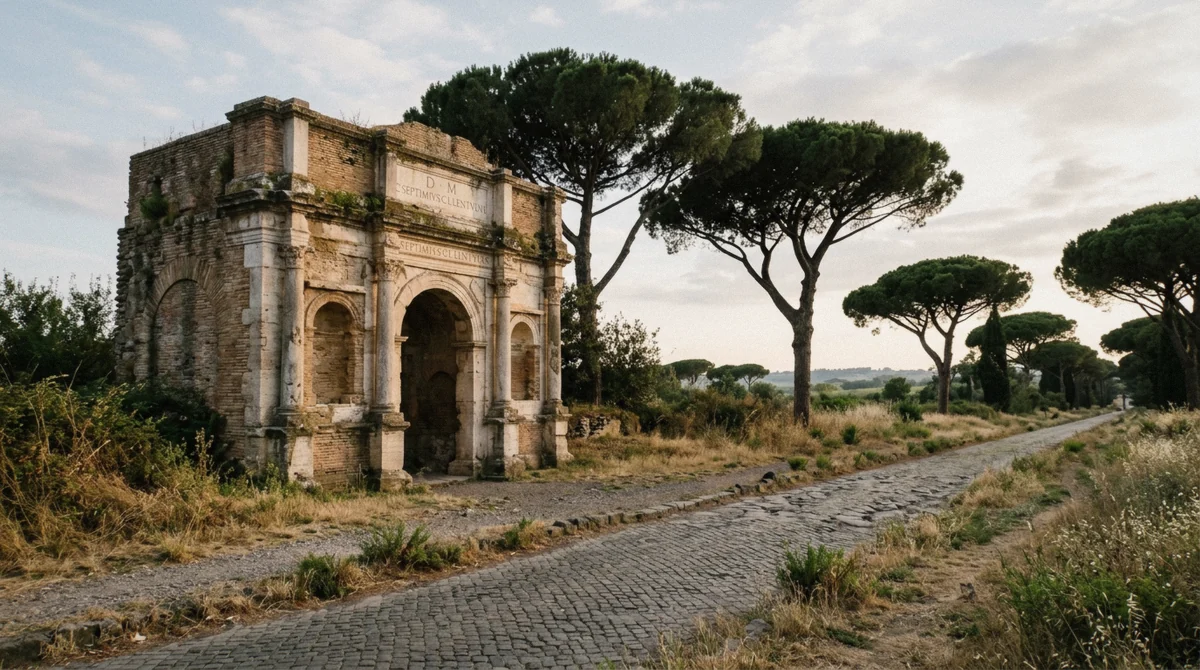
Roman tomb facade beside the basalt paving of the Via Appia Antica on a Rome underground tour
Burial inside the city walls was illegal, so the dead went out along the consular roads.

The Colosseum Underground Is a Separate Ticket

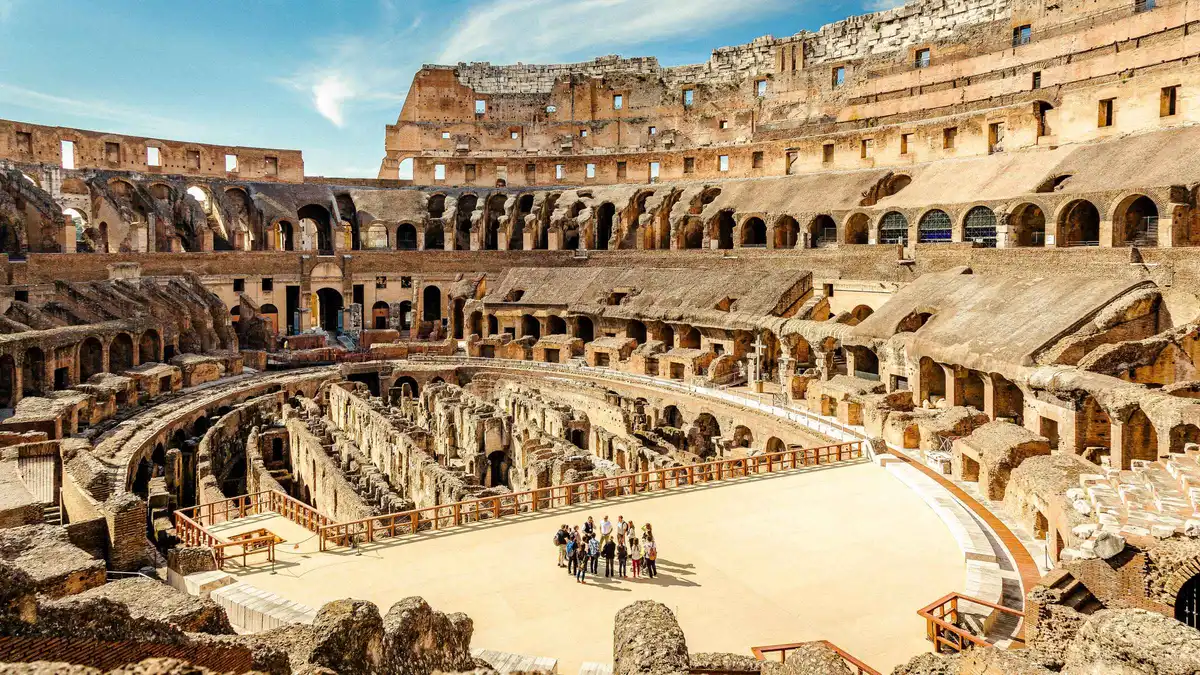
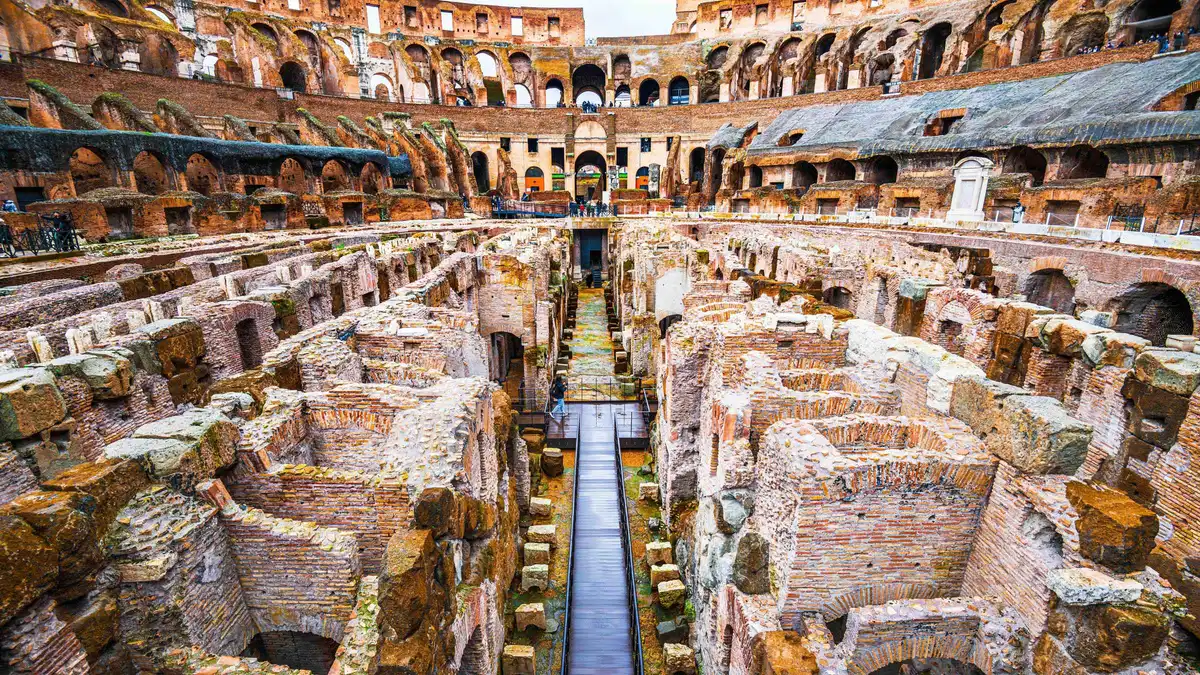
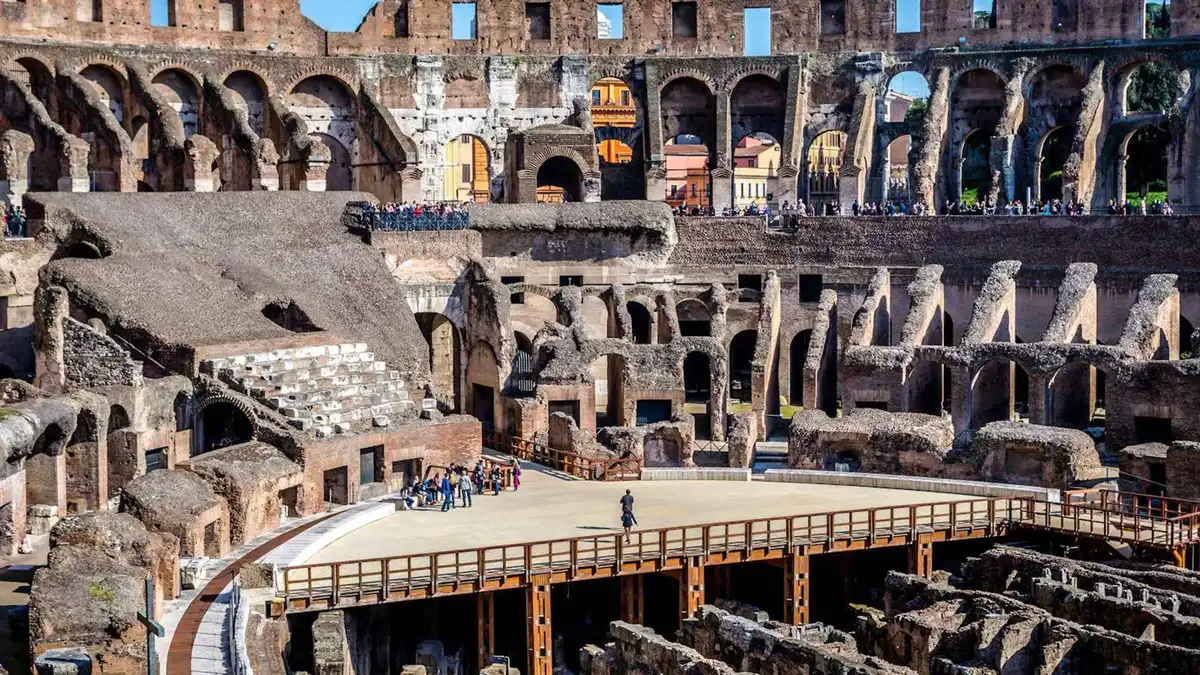
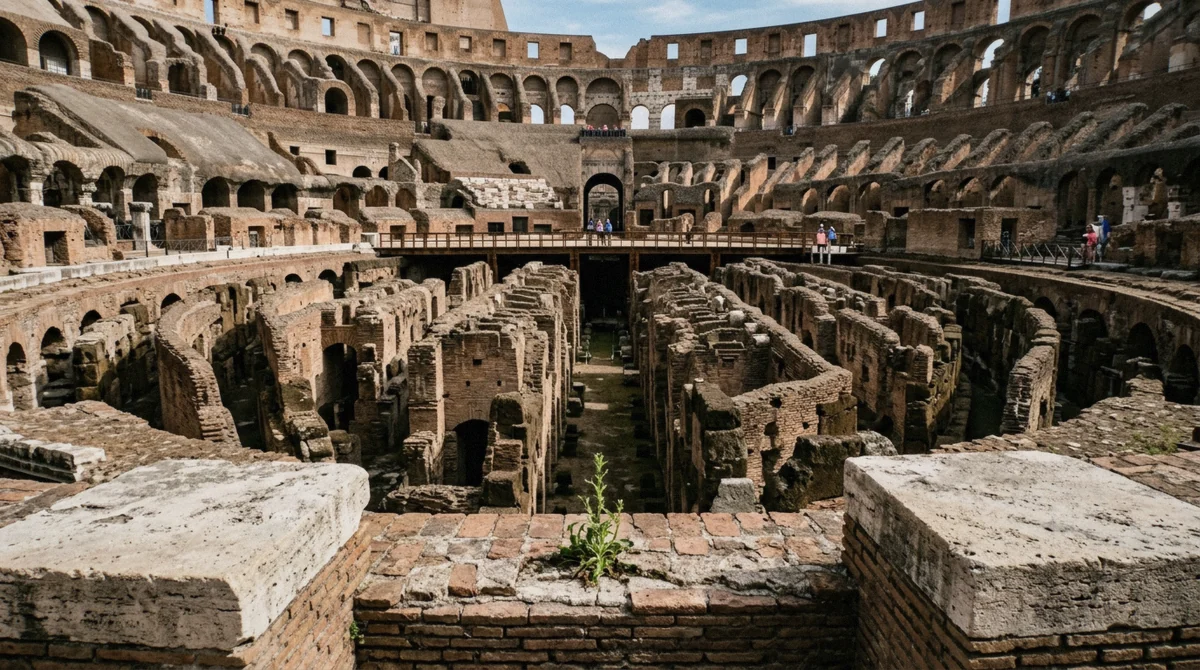
The hypogeum — the two-level service basement where animals, scenery and fighters were staged — is the single most searched Rome underground. It is also the one people most often turn up expecting to be included, and it is not.

What standard admission does not cover

A plain Colosseum ticket gets you the stands. The arena floor is an add-on. The underground is a second, different add-on. Access to both requires an authorised guide, which is why every listing that reaches the hypogeum is a guided tour rather than a bare ticket — there is no version of this you can do alone with a printout.

On the official ticketing side the combined product is called Full Experience, covering the underground levels and the arena, valid across two consecutive days and capped at ninety minutes inside the monument. The euro figure moves and the official site is not always reachable from outside Italy, so treat the price you see on any third-party page — including this one — as needing a check at the point of booking.

Three routes to the same basement

Only one listing here includes the hypogeum and the arena floor: the small-group exclusive underground and arena tour at $386, whose inclusion list names "Colosseum, Arena floor, and Underground guided tour" alongside the Palatine and Forum. It is also one of the few here without free cancellation.

The two cheaper routes make you choose. The 3-in-1 tour at $93 states it plainly in its own inclusions — "access into the Colosseum's Underground dungeons OR arena floor (you must select which option)" — with the Roman Forum and Palatine either way. The exclusive arena-or-underground tour at $177 works the same way, and its title says so if you read it twice. Both are good tours. Neither gives you both levels, and the checkout option is where that gets decided, not the title.

  • Nothing reaches the hypogeum without a guide, because nothing can
  • Arena floor and underground are separate add-ons on every listing here
  • Only the $386 small-group tour includes both; the $93 and $177 options are OR, not AND
  • The underground can close at short notice; the tour still runs above ground
  • Tickets are capacity-capped and go early in spring and autumn

Worth it, or not

If you have seen the Colosseum before and want something new, the hypogeum is the strongest reason to go back — it is the part that explains how the building worked, and the brick corridors read completely differently from the stands. If it is your first visit and your budget is finite, the honest answer is that the Forum and Palatine add more to a first day than the basement does, and the 3-in-1 covers the Forum and Palatine either way — just know you are picking the underground or the arena floor there, not both.

What the hypogeum is not is a quiet, atmospheric descent. It is open to the sky in places, it is hot in summer, and it is busy. The catacombs and the Domus Aurea are where the underground actually feels underground.

Brick service corridors of the Colosseum hypogeum seen from the arena rim on a Rome underground tour
The hypogeum, the two-level basement that staged the spectacle above it.

Nero's Golden House: Weekends Only, Hard Hat Included

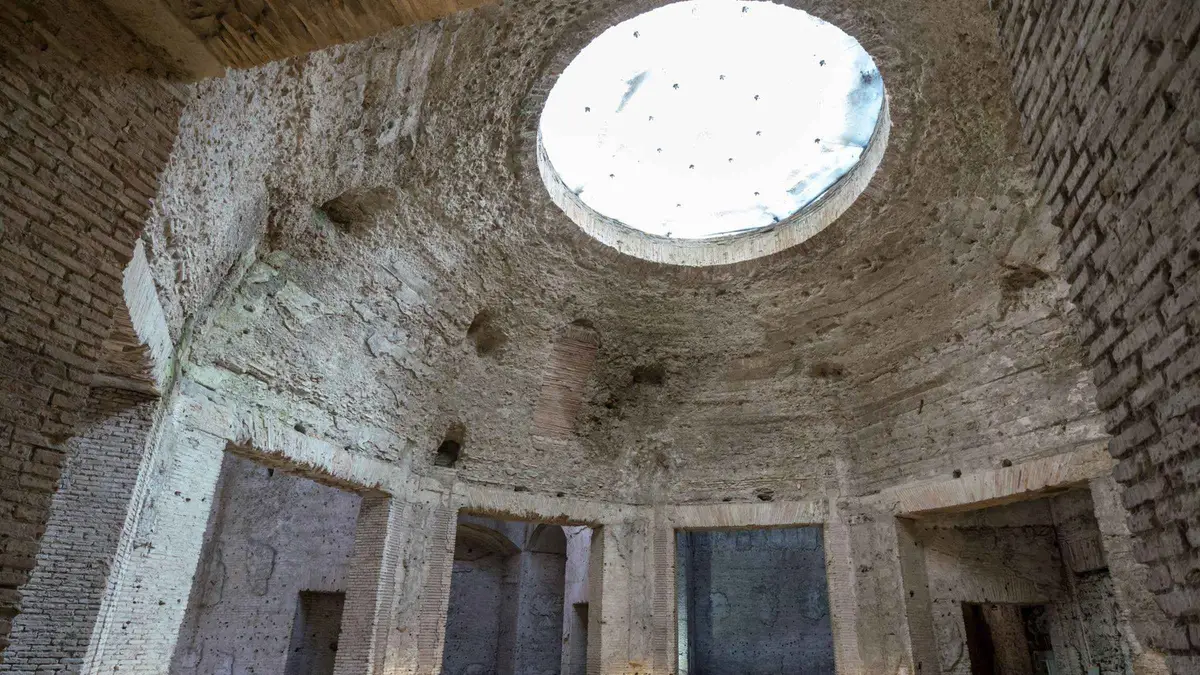
The Domus Aurea is the most restricted site on this page and the one most often booked by mistake for a weekday. It is a live restoration site, not a finished museum, and the access rules follow from that.

Saturday and Sunday, by booked slot

Visits run Saturdays and Sundays only, from 09:15 to 16:15, and booking through CoopCulture is obligatory — there is no walk-up window. The meeting point is in Parco del Colle Oppio, a few minutes uphill from the Colosseum. The standard ticket is €18; EU citizens aged 18 to 25 pay €2; under-18s are free but still need a reserved slot, which catches families out. The version with the guided visit and virtual-reality headset is €26.

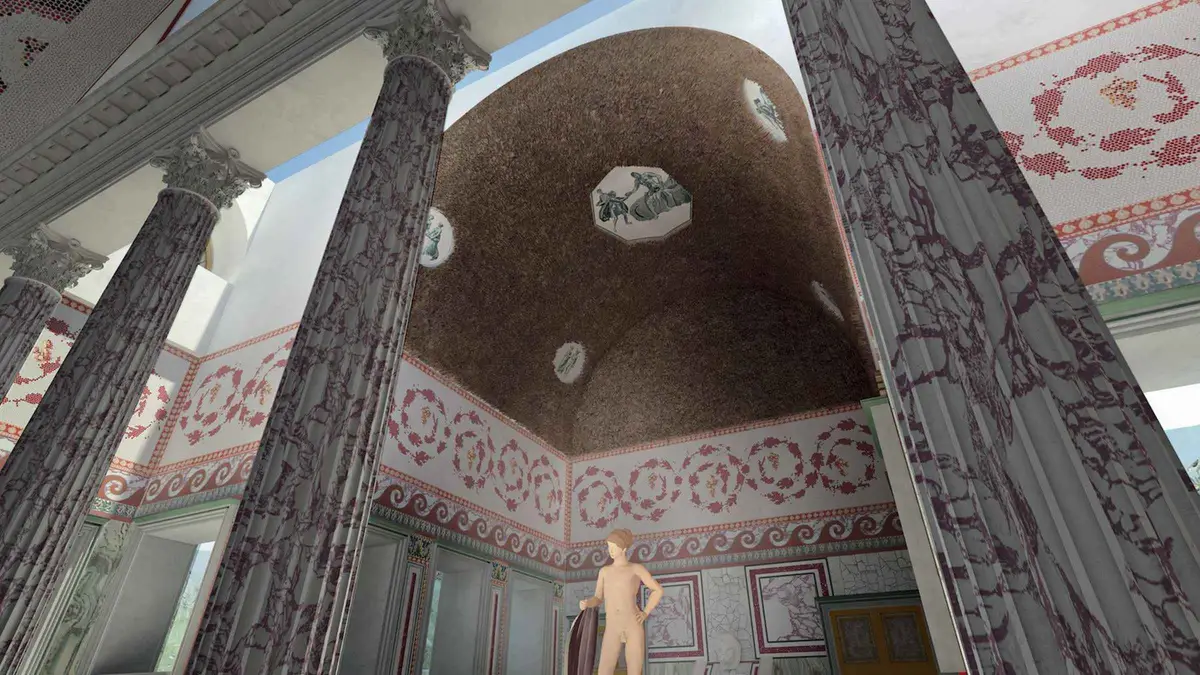
The base price includes the entry, the guided walk, the VR glasses and a safety helmet. You are walking through a building that spent fifteen centuries buried under the Baths of Trajan and is still being excavated.

About ninety percent humidity

CoopCulture recommends closed comfortable shoes and a windbreaker, and states the site sits at roughly ninety percent humidity. This is the fact that undoes the most common assumption about Rome's underground — that it is where you go to escape an August afternoon. It is cooler than the street, and it is wet.

Visitors report the Vatican Necropolis under St. Peter's as outright stifling in summer. Of everything on this page, the lower levels of San Clemente come closest to genuine relief from the heat.

  • Closed shoes and a light windbreaker, even in August
  • Helmet provided and required — this is an active worksite
  • The VR headset reconstructs the rooms as Nero's court saw them; it is the point of the visit, not a gimmick
  • Under-18s are free but must still hold a booked place

Two listings, one site

The Domus Aurea guided tour with VR at $81 runs 90 minutes and lists Italian, French, English and Spanish guides, rated 4.68 across 261 reviews. The Nero's Golden House tour at $99 covers the same site in the same 90 minutes in English and Spanish, rated 4.47 across 560 reviews. There is no meaningful difference in what you see; the gap is group composition and language rota.

Book whichever has your date.

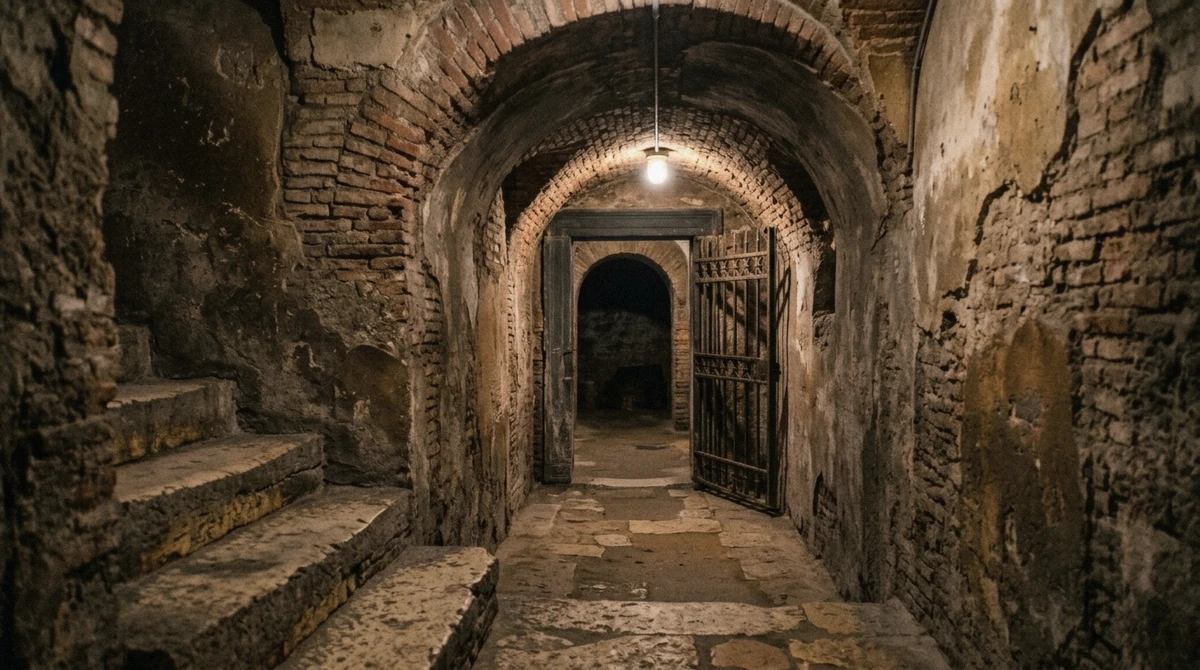
Narrow vaulted underground corridor with an iron gate and worn stone steps on a Rome underground tour
Below the pavement the corridors narrow and the air turns damp — Rome's underground is humid, not cool.

The Underground That Costs Almost Nothing

Rome's cheapest subterranean visits are not on any tour listing, because there is no margin in a €4 ticket. They are also, for some visitors, the best of them.

€4 under the Trevi Fountain

Vicus Caprarius, the Città dell'Acqua, sits about ten metres below street level behind the Trevi Fountain, inside what used to be the Cinema Trevi. What was uncovered during the renovation is an imperial-era house and the castellum aquae of the Aqua Virgo — the distribution tank of the aqueduct that has fed the Trevi since 19 BC and still does. Among the finds is the head of Alexander Helios.

It opens Tuesday to Sunday, 11:00 to 17:00, closed Monday, and booking is obligatory at weekends and on holidays — by phone or WhatsApp, on a line staffed Tuesday to Sunday from 10:00 to 16:00. The space is small and capacity-limited, which is why the booking rule exists. If you would rather have it explained, the Trevi underground express tour runs 40 minutes in six languages, and the Trevi district underground tour takes an hour.

The ticket tiers, read from the site's own page on 5 September 2026:

TicketPriceWho it covers
Full€4Everyone not listed below
Reduced€2.50Roma Pass holders, EU students 18–25, EU teachers, journalists
Youth€1Ages 14 to 17
Free€0Under 14, EU archaeology students, Rome City Pass holders
Audio guide€3.50Optional, added to any ticket

San Clemente, and a claim the guidebooks get wrong

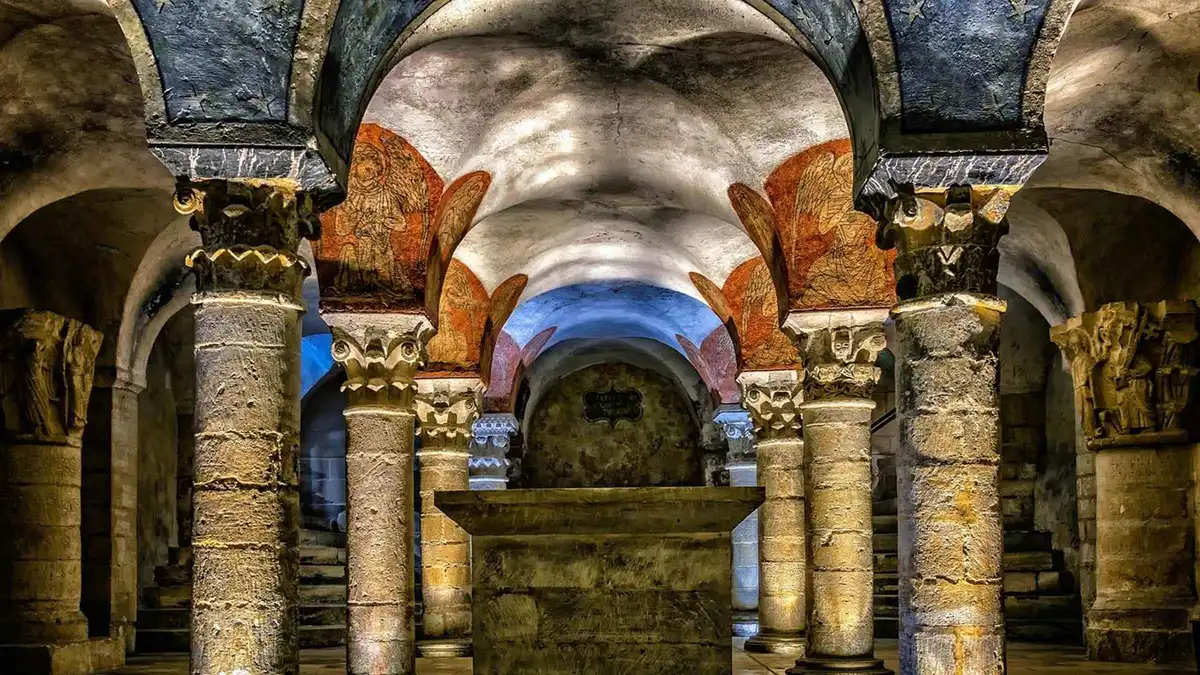
San Clemente is the best single demonstration of how Rome stacks. The 12th-century basilica sits on a 4th-century church, which sits on a 1st-century Roman street with an apartment block and a temple to Mithras — roughly sixty feet down by the time you reach the Mithraeum, with running water still audible in the lowest level.

Several pages ranking for Rome underground tours state that the excavations can only be seen with a guide. The basilica's own site says the opposite, in as many words: it does not provide guided tours, and visitors receive a brochure at the entrance to find their own way. What is obligatory is online booking, because daily admissions are capped to protect the site. If you bring your own licensed guide, groups are capped at 25 plus the guide.

  • Vicus Caprarius: €4, closed Monday, booking obligatory at weekends
  • San Clemente excavations: €10, open daily, online booking obligatory
  • Santa Cecilia in Trastevere crypt: a couple of euros at the gift shop
  • San Nicola in Carcere: three Republican temples under one church
  • Mamertine Prison, Case Romane del Celio: separate small tickets
Detail
Full ticket€10
Reduced€5 — students under 26 and school groups
FreeUnder-16s accompanied by a paying adult; disabled visitors and carers
Monday to Saturday09:00–12:30 and 14:00–18:00, last entry 30 minutes before each close
Sunday and holidays12:00–18:00, last entry 17:30
BookingObligatory online; daily admissions are capped
Ancient Roman temple columns embedded in a church wall at San Nicola in Carcere on a Rome underground tour
San Nicola in Carcere: three Republican temples, their columns still readable from the street.

The Vatican Necropolis Is Not Bookable Like Anything Else

The Scavi — the pagan and early-Christian cemetery under St. Peter's, ending at the tomb beneath the high altar — is the one underground in Rome you cannot buy your way into on any platform, including this one.

One office, no operators

Access is controlled by the Ufficio Scavi, the Excavations Office of the Fabbrica di San Pietro. Not the Vatican Museums, not a tour operator, not a reseller. Requests go directly to the office, groups are capped at about twelve people, and in the April-to-October season confirmation can take several weeks. Any third-party listing promising guaranteed Scavi access should be read with that in mind.

There is a minimum age, and reports of the exact threshold differ between sources — it has been quoted as both ten and fifteen. Because the office is the only authority on its own rules, confirm the current age limit with them rather than with any guide, this one included.

  • Booked only through the Ufficio Scavi of the Fabbrica di San Pietro
  • Small groups, guided, ending at the tomb of St. Peter
  • Weeks of lead time in high season; no walk-ins at any price
  • There is a minimum age — confirm the current figure with the office

The grottoes are a different place, and they are free

The Vatican Grottoes, the papal tombs directly under the basilica floor, are not the Necropolis. They are one level up, they need no booking, and entry is free with access to St. Peter's. Plenty of tours advertising a St. Peter's underground visit mean the grottoes, which is worth knowing before you assume you have booked the Scavi.

The St. Peter's Basilica dome climb and underground tour is exactly that kind of listing — a strong tour at 4.76 across 5,759 reviews, covering the basilica, the dome and the level beneath the floor. It is not a Necropolis ticket, and it does not claim to be.

One more expectation to correct: visitors consistently describe the Necropolis as hot, humid and airless rather than cool. It sits under a working basilica with limited ventilation. If you are picturing a refuge from a Roman August, that is San Clemente, not this.

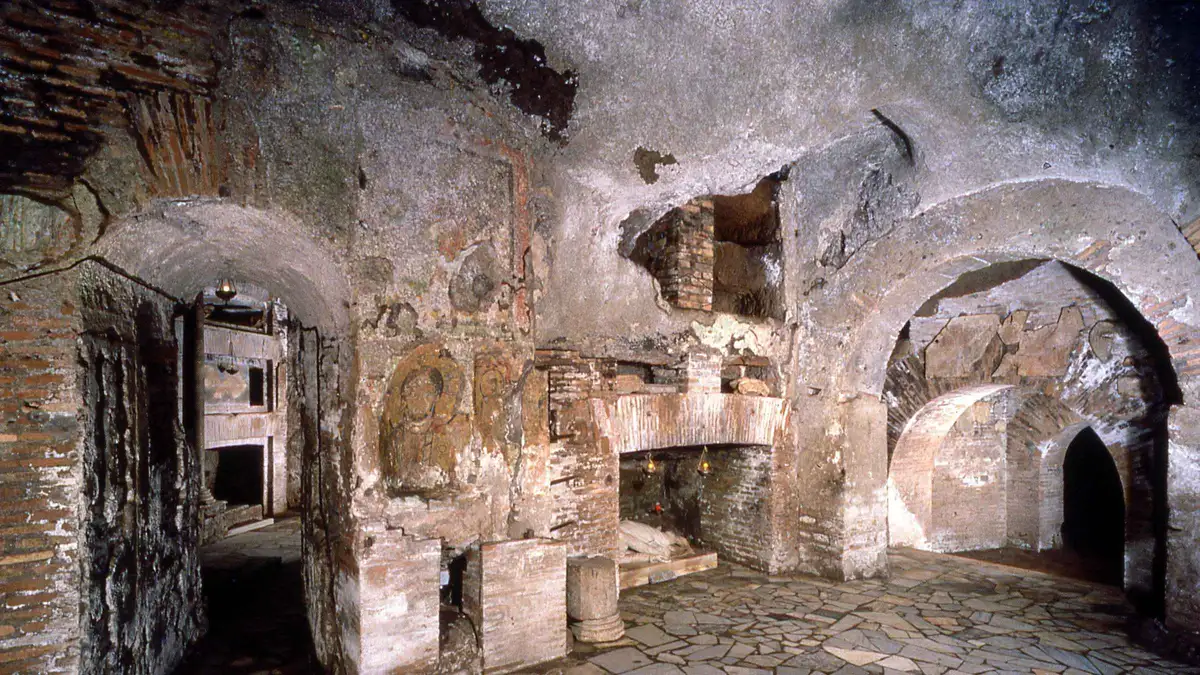
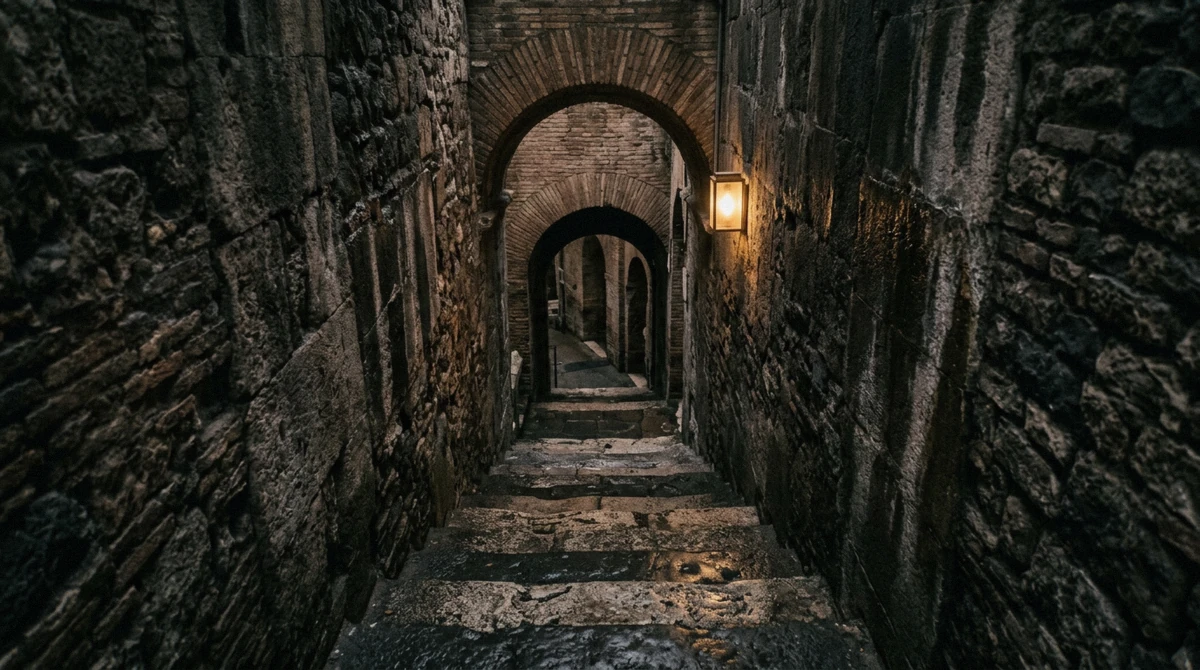
Damp stone stairway descending between stacked church levels on a Rome underground tour at San Clemente
Sixty feet of Rome, stacked: basilica over church over Mithraeum.

No City Pass Covers Rome's Underground

This is the most expensive misunderstanding on the page, because people buy the pass first and discover the exclusion at the door.

The crypt says it in writing

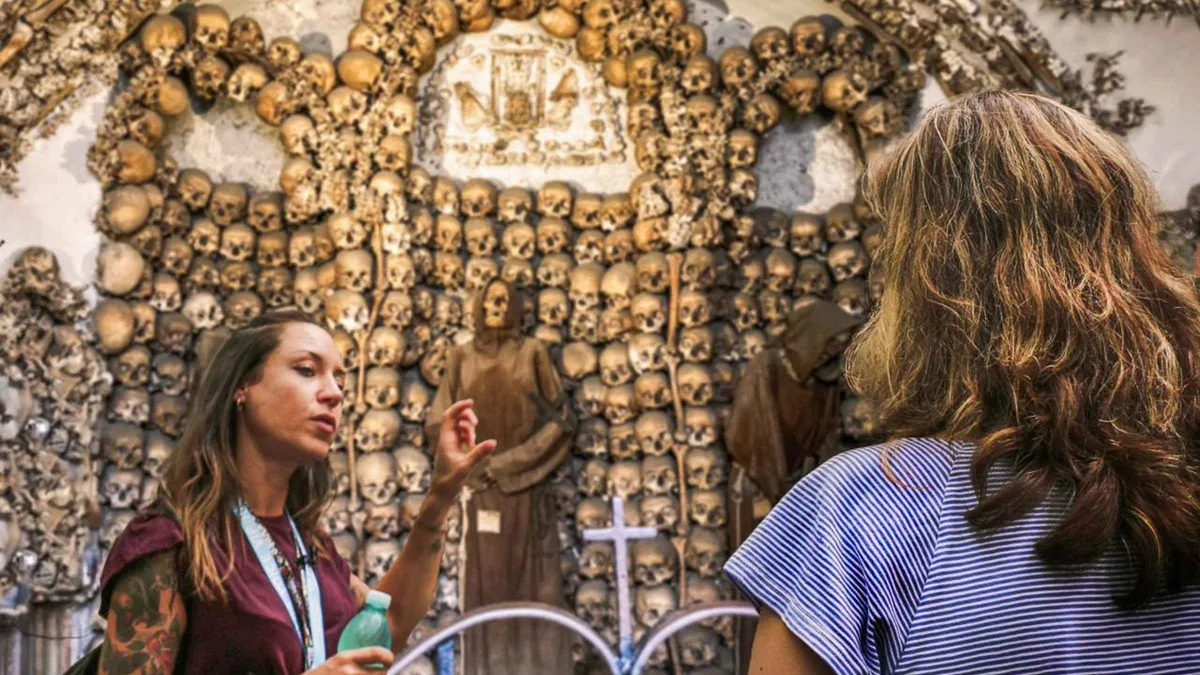
The Capuchin Museum and Crypt prints the refusal on its own ticket page as a flat list: no ICOM, no MIC card, no Roma Pass, no Turbo Pass. Nothing gets you in but a ticket.

The catacombs work the same way for a structural reason. They are not Italian state museums — they belong to the Pontifical Commission for Sacred Archaeology, which is a Vatican body. The state museum system's free-first-Sunday scheme and its pass network simply do not reach them. Neither does the Roma Pass, which is a city product.

The one exception found while checking these sites is Vicus Caprarius, which does honour a Roma Pass at €2.50 and admits Rome City Pass holders free. On a €4 ticket, that is a saving of €1.50.

  • Catacombs: no pass, no free Sunday, no exceptions found
  • Capuchin Crypt: no ICOM, no MIC, no Roma Pass, no Turbo Pass, stated officially
  • Domus Aurea: EU 18–25 pay €2, which beats any pass discount
  • Vicus Caprarius: Roma Pass €2.50, Rome City Pass free
  • Colosseum Full Experience: capacity-capped, sold on its own terms

What Underground Rome Is Actually Like

Temperature, stairs, dress codes and the things that catch people out once they are below the pavement.

Cool is not the same as comfortable

The catacombs sit at a steady cellar temperature year round, roughly 14 to 16 °C, and after twenty minutes in still air that reads as cold rather than refreshing — bring a layer even in July. The Domus Aurea is a different problem: it is cooler than the street and about ninety percent humid, which is why a windbreaker is on the official recommendation list. The Vatican Necropolis is the one visitors describe as genuinely unpleasant in summer, hot and airless.

San Clemente's lower levels are the reliable escape from an August afternoon.

SiteUnderfootStairsDress codePhotography
CatacombsPacked earth, evenModerate, unevenRespectful; it is a burial groundNot permitted
Capuchin CryptSmooth floorFewShoulders and knees coveredNot permitted
San ClementeStone, damp in placesSteep to the MithraeumChurch rules above groundRestricted
Domus AureaUneven, worksiteSomeClosed shoes, windbreakerHelmet required
Colosseum hypogeumUneven brick and gratingManyNoneAllowed
Vicus CaprariusWalkwaysOne flightNoneAllowed

Accessibility, honestly

Most of Rome's underground was not built to be entered by the public and cannot be made step-free without destroying it. Catacomb galleries are narrow with uneven floors. The descent to the Mithraeum at San Clemente is steep. The Domus Aurea is a working excavation with rubble underfoot. The Stadium of Domitian has neither ramps nor lifts.

The Capuchin Crypt is the one central underground with a published accessibility page, and Vicus Caprarius is small and level once you are down the stairs. If mobility is a concern, contact the site directly rather than the tour operator — the operator can only tell you what the site told them.

Claustrophobia

The honest split: the catacombs are corridors, narrow but straight, with a guide in front and the group behind, and most people who describe themselves as mildly claustrophobic manage them. The Domus Aurea and the Colosseum hypogeum are large open volumes and feel nothing like a tunnel. The tightest passages on this page are in the smaller catacombs, and no tour requires crawling or squeezing.

If you are seriously claustrophobic, the sites to pick are the Colosseum underground, the Domus Aurea and Vicus Caprarius. The ones to skip are any catacomb and the Vatican Necropolis.

Time and money for a full underground day

Two sites in a day is comfortable, three is a push once the Appian Way transfer is in play. Budget roughly 40 minutes inside a catacomb, an hour for the Capuchin Crypt and museum, 90 minutes for the Domus Aurea, an hour to ninety minutes for the Colosseum with its hypogeum, and half an hour at Vicus Caprarius.

Doing it entirely on your own tickets, a catacomb at €10 plus San Clemente at €10 plus the crypt at €10 plus Vicus Caprarius at €4 comes to €34 for four undergrounds, before the buses. The tours cost more because they carry the transfer, the language and the reroute when a site is shut — which on a Monday or a Wednesday is worth more than it sounds.

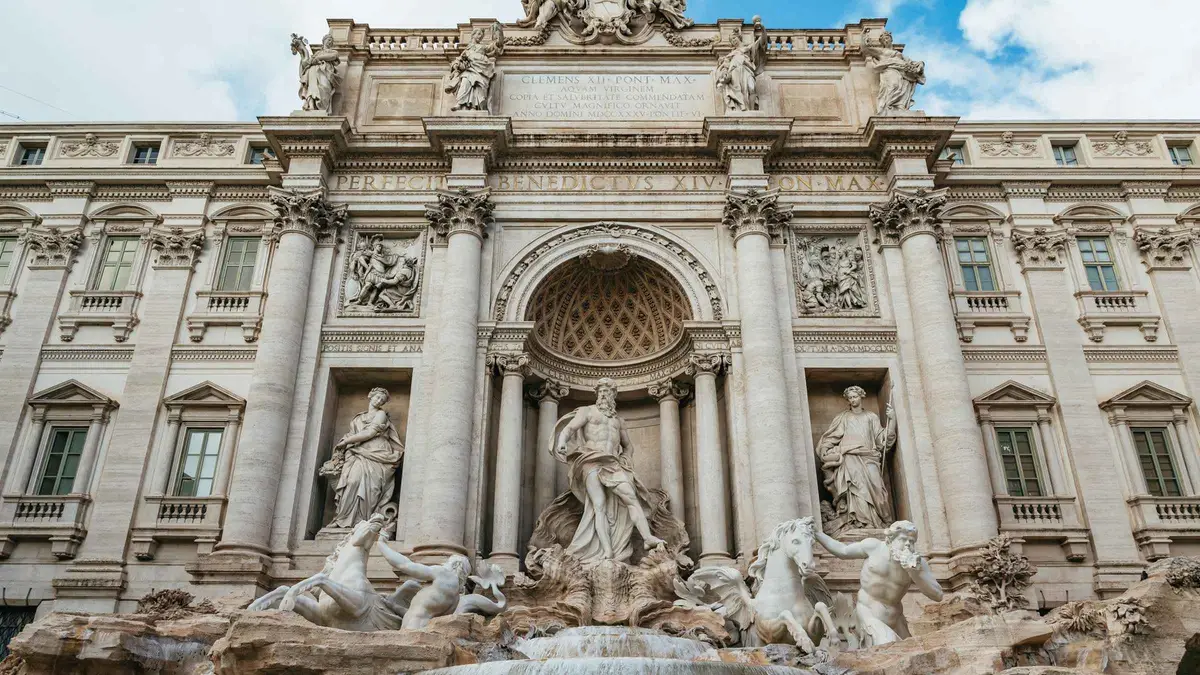
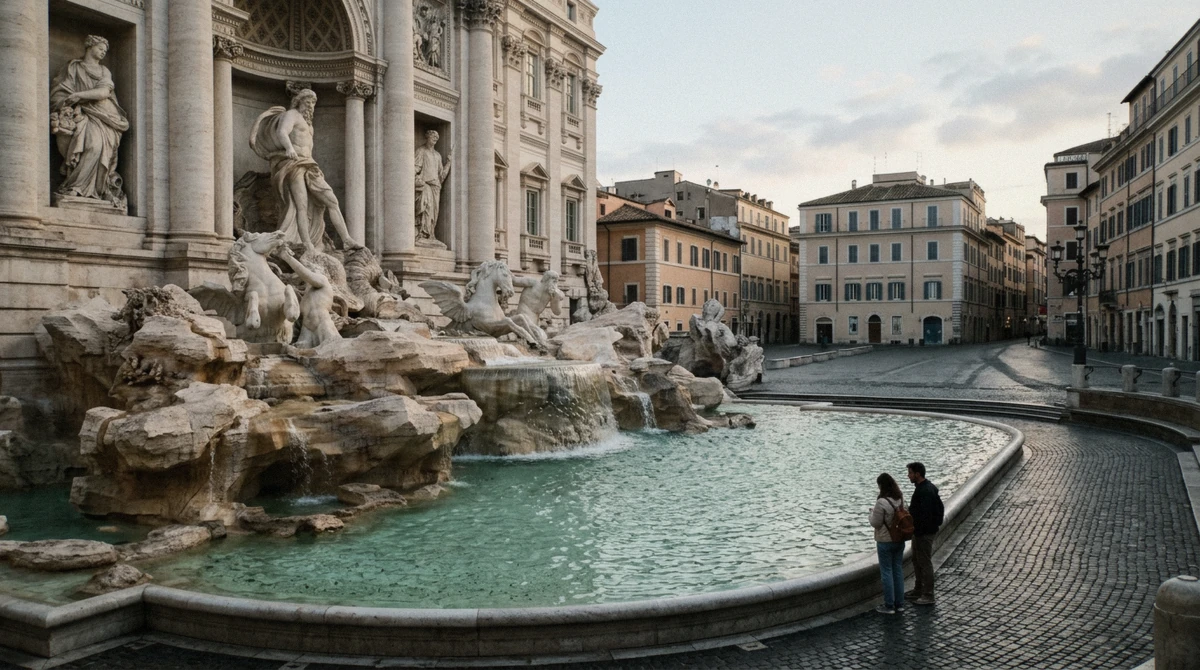
The Trevi Fountain at first light with an almost empty piazza, above the Rome underground aqueduct rooms
The Aqua Virgo still feeds this. Vicus Caprarius sits ten metres below the street behind it.

Which Underground Tour Fits Which Visitor

Fifteen listings is more choice than anybody needs. This is the shortlist by the kind of day you are actually planning.

By visitor

Every recommendation below links to the card above, where the full listing details sit.

If you are…BookWhy
On a tight budgetSt. Callixtus ticket, $16Near the door price; accept an Italian, German or French guide
Set on an English guideCatacombs skip-the-line, $564.93 across 946 reviews, the highest here
Doing one underground onlyCapuchin Crypts and catacombs, $69Bone crypt plus a catacomb, transfers included, 7,284 reviews
Short on timeCapuchin Crypt ticket, $25Under an hour, central, open every day
First time in RomeColosseum 3-in-1, $93Forum and Palatine included; pick underground OR arena at checkout
Coming back to RomeDomus Aurea with VR, $81The site nobody sees on a first visit
Travelling with teenagersAppian Way golf cart, $1084.91; the ancient road is the ride, catacomb entry included
Here on a MondayCapuchin Crypt or San ClementeThe only central undergrounds open

The after-hours option

One listing does something none of the others do. The after-hours crypts and catacombs tour at $74 goes in once the sites have closed to the public, which changes the experience more than any group-size upgrade — 190 reviews at 4.69, and reviewers repeatedly mention being shown the catacomb by the nuns of the church rather than a commercial guide. If the appeal of underground Rome is the quiet, this is the one to look at first.

Is Underground Rome Worth It?

Two questions come up more than any others in search: whether the Colosseum hypogeum earns its price, and whether skip-the-line tours in Rome are worth paying for at all. Neither has a yes-or-no answer, so here are both with the reasoning attached.

The Colosseum underground

Worth it on a second visit, marginal on a first. The hypogeum is where the machinery lived — the corridors, the lift shafts, the cages, the staging area that made the spectacle possible — and standing in it converts the Colosseum from a ruin into a building that worked. That is a real gain, and no photograph delivers it.

Against that: it costs meaningfully more than standard admission, it requires a guide, the underground is occasionally shut at short notice, and on a first day in Rome the Forum and Palatine give a newcomer more context per euro. The 3-in-1 tour resolves the argument by including all three, which is why it is the one most first-timers should book.

  • Second visit to Rome: yes, this is the reason to go back inside
  • First visit, tight budget: the Forum and Palatine give more per euro
  • Ask before booking what happens if the hypogeum closes on your date
  • The atmospheric underground is the catacombs, not the arena basement

Skip-the-line tours in Rome

For the Colosseum, yes — the queue is real, timed entry is enforced, and the underground cannot be reached any other way. For the catacombs, the phrase is close to meaningless: there is rarely a line at St. Callixtus, tours leave every thirty minutes, and "skip the line" on those listings mostly means the entry fee is prepaid. What you are actually buying at a catacomb is the transfer out to the Appian Way and a guide in your language.

Which reframes the whole comparison. On this page, the tours worth their premium are the ones solving transport, language or a closing day — not the ones promising a shorter queue.

Which underground is the best one

If you can only descend once: San Clemente for the sheer stack of centuries, the Capuchin Crypt for the thing you will still be describing to people a year later, a catacomb for the scale of it, the Domus Aurea for imperial Rome, and the Colosseum hypogeum for the engineering. They are genuinely different experiences, and the ranking depends on what you came to Rome for — which is why this page compares access rather than declaring a winner.

One Underground Day That Works

Built for a Saturday, deliberately: it is the only day the Domus Aurea opens, and nothing else on the route closes. On a Monday this itinerary collapses — three of these sites would be shut.

  1. 09:15

    Domus Aurea, Parco del Colle Oppio

    The first slot of the day, booked weeks ahead. Ninety minutes with a helmet and a VR headset through Nero's buried palace. Closed shoes and a light jacket — it is about ninety percent humidity down there.

  2. 11:00

    Walk down to the Colosseum

    Ten minutes downhill. If you have booked the hypogeum, this is your window; if not, walk past it toward San Clemente and save the money for the catacombs.

  3. 11:30

    San Clemente excavations

    Five minutes east of the Colosseum on Via Labicana. Three levels down to the Mithraeum with a brochure, at your own pace — they do not run guided tours. Book the slot online in advance; daily admissions are capped.

  4. 13:00

    Lunch in Monti or Celio

    Neither neighbourhood is a tourist trap once you are two streets off Via dei Fori Imperiali.

  5. 14:15

    Bus 118 to the Appian Way

    From Colosseo or Circo Massimo, about twenty-five minutes to the catacombs. If you booked a tour with transfers, this is where it collects you instead.

  6. 15:00

    A catacomb on Via Appia Antica

    Forty minutes underground with a guide — St. Callixtus if it is not a Wednesday, San Sebastiano otherwise. The last tours go in around 16:30, so this is the latest slot that works.

  7. 16:30

    Back into town for the Capuchin Crypt

    Via Veneto, open until 18:30 with last entry at 17:30. Shoulders and knees covered. Roughly an hour for the museum and the bone chapels, and no pass gets you in — buy the ticket.

  8. 18:00

    Trevi, above and below

    If Vicus Caprarius is still open — it closes at 17:00 — swap it into the morning. Otherwise the fountain at dusk is the right ending to a day spent under it.

Five undergrounds in a day is ambitious but doable on a Saturday. Cut the Colosseum hypogeum first if the day runs long; it is the one that survives being seen on another trip.

What Travellers Said After Going Down

★★★★★ ★★★★★
Our guide Alain was very informative and the tour was amazing, really took you back in time especially when you were underground.
Nina · United Kingdom · September 2026
★★★★★ ★★★★★
Fantastic crypt and catacombs tour, made even better when shown the catacombs by the serving nuns of the church.
G · United Kingdom · August 2026
★★★★★ ★★★★★
This is 10 out of 10 the best way to see the sites of Rome. The catacombs and the Appian Way were so incredible.
Kali · Australia · September 2026
★★★★★ ★★★★★
Being a small group you got to experience and understand the history first hand. Divan was so informative, funny and knowledgeable.
Bruce · Australia · September 2026
★★★★★ ★★★★★
Amazing tour. Loved the virtual reality part. You will not be disappointed!
Melody · United States · August 2026
★★★★★ ★★★★★
Informative. Enjoyed the ability to advance at our own pace through the museum and crypt. Amazed at the artistic ability to use human bones.
Joseph Roy · United States · September 2026

Verified GetYourGuide reviews for tours on this page, quoted in excerpt with their original dates. Full reviews sit on each operator's listing.

Rome Underground Tours: Questions Travellers Ask

What is the best underground tour in Rome?

There is no single winner, because the sites are so different. For the highest-rated experience, the English-language catacombs tour sits at 4.93 across 946 reviews. For the most-booked, the Capuchin Crypts and catacombs tour has 7,284 reviews at 4.65 and includes transfers to the Appian Way. For the thing you will not have seen before, the Domus Aurea with VR enters a site that only opens at weekends. If you are choosing by what you came to Rome for, the shortlist by visitor type sorts it in one table.

Is the Rome Colosseum underground tour worth it?

On a return visit, yes — the hypogeum is the part that explains how the arena worked, and nothing else in Rome shows you the machinery of a Roman spectacle. On a first visit with a finite budget, the Forum and Palatine give a newcomer more, and the 3-in-1 tour covers the Forum and Palatine either way — though there you choose the underground or the arena floor, not both. One caveat worth knowing before you pay for the premium version: the underground occasionally closes at short notice and the tour still runs above ground.

Which underground Colosseum tour is best?

Only one includes both levels: the small-group exclusive underground and arena tour, whose inclusions name the arena floor and the underground together — and it is one of the few here without free cancellation. The cheaper two make you choose. The 3-in-1 says so in its own small print — underground dungeons or arena floor, you select which — with the Roman Forum and Palatine included either way, and it is the best value if you are happy picking one. The exclusive arena or underground tour is the most reviewed at 1,531 and works the same way. More on how the tickets split.

Are skip-the-line tours in Rome worth it?

At the Colosseum, yes: entry is timed and enforced, and the underground cannot be reached without a guided ticket. At the catacombs, the phrase means very little — there is rarely a queue, tours leave every thirty minutes, and what you are really buying is the transfer out to the Appian Way and a guide in your language. Judge each listing by whether it solves transport, language or a closing day rather than by the words on the badge.

How much do Rome underground tours cost?

The listings on this page run from a catacomb entry ticket at the low end to small-group exclusive Colosseum tours at the top. Doing it independently is cheaper — a catacomb, San Clemente, the Capuchin Crypt and Vicus Caprarius together come to €34 in door tickets — but that excludes the buses out to the Appian Way and assumes you can work around the closing days yourself. The full arithmetic is here.

Do the Rome catacombs need to be booked in advance?

It depends which one. St. Callixtus runs guided tours every thirty minutes and does not require a reservation, though prepaid tickets are collected at the ticket office. Priscilla and Domitilla work on booked guided visits, and San Sebastiano recommends booking. Every catacomb is guided-only regardless — there is no self-guided option anywhere. San Clemente and the Domus Aurea both make online booking obligatory because their daily numbers are capped.

Which day should I avoid for underground Rome?

Monday. San Sebastiano, Priscilla and Vicus Caprarius all close, leaving the Capuchin Crypt, San Clemente, St. Callixtus and Domitilla. Tuesday closes Domitilla and Wednesday closes St. Callixtus. The Domus Aurea is the opposite case: it opens only on Saturday and Sunday. The full table is at the top of this page.

Does the Roma Pass cover the catacombs?

No. The catacombs are administered by the Pontifical Commission for Sacred Archaeology, a Vatican body outside the Italian state museum system, so neither the Roma Pass nor the state's free-first-Sunday scheme applies. The Capuchin Crypt states the refusal on its own ticket page — no ICOM, no MIC card, no Roma Pass, no Turbo Pass. The one exception found is Vicus Caprarius. More on what passes do and do not buy.

Is it cold in the Roman catacombs?

Cool and still rather than cold — cellar temperature, around 14 to 16 °C year round, which after twenty minutes of standing feels chilly enough to want a layer even in July. The bigger surprise is humidity: the Domus Aurea sits at about ninety percent and CoopCulture recommends a windbreaker. Underground Rome is not the reliable escape from an August afternoon people expect. What to wear, site by site.

Can you visit the Rome catacombs without a guide?

No. Every catacomb open to the public admits visitors on guided tours only, in groups formed at the entrance or booked ahead. San Clemente is the opposite and is often described wrongly online: the basilica states plainly that it does not provide guided tours and hands visitors a brochure to explore the excavations at their own pace — but online booking there is obligatory.

Pick the site first and the day second — then book the tour that gets you in.

Domus Aurea weekend slots and Colosseum underground tickets go earliest

Most tours listed here cancel free up to 24 hours before the start time.

Check Availability
Tours from $16 Check Dates